
Florida Construction
Roof Repair vs. Replacement: How to Know Which One You Need

Repair your roof when the damage is limited to one area, the roof is less than about 15 years old, and the underlayment and deck are still sound. Replace it when leaks keep coming back in different spots, the roof is near the end of its Florida lifespan, damage covers a large share of a roof section, or an insurer is pushing back on its age. On many South Florida tile roofs there is also a third path: keeping the tile and replacing only the worn underlayment beneath it.
At Florida Construction, we are a veteran-owned, licensed and insured general contractor based in Boynton Beach, and our Florida Roofing division inspects, repairs, and replaces shingle, tile, metal, and flat roofs across Palm Beach and Broward Counties. We make this call on rooftops every week, and the answer depends less on how a roof looks from the driveway and more on what is happening under the surface. This guide walks through how we decide, including the Florida rules that change the math.
In This Guide
- When a Roof Repair Makes Sense: Damage a repair can fix for good.
- When Replacement Is the Smarter Move: Signs a patch will not hold.
- Repair vs. Replacement at a Glance: A side-by-side comparison.
- The Middle Option for Tile Roofs: Keeping the tile, replacing the underlayment.
- Florida's 25% Rule After 2022: What the rule requires now.
- How Roof Age Affects Your Insurance: The 15-year line and your rights.
- Storm Damage and the Matching Rule: When a patch will not match.
- Is a Repair Worth the Money?: Running the numbers.
- What a Good Inspection Should Tell You: What we check before recommending either.
- Frequently Asked Questions: Quick answers.
When a Roof Repair Makes Sense
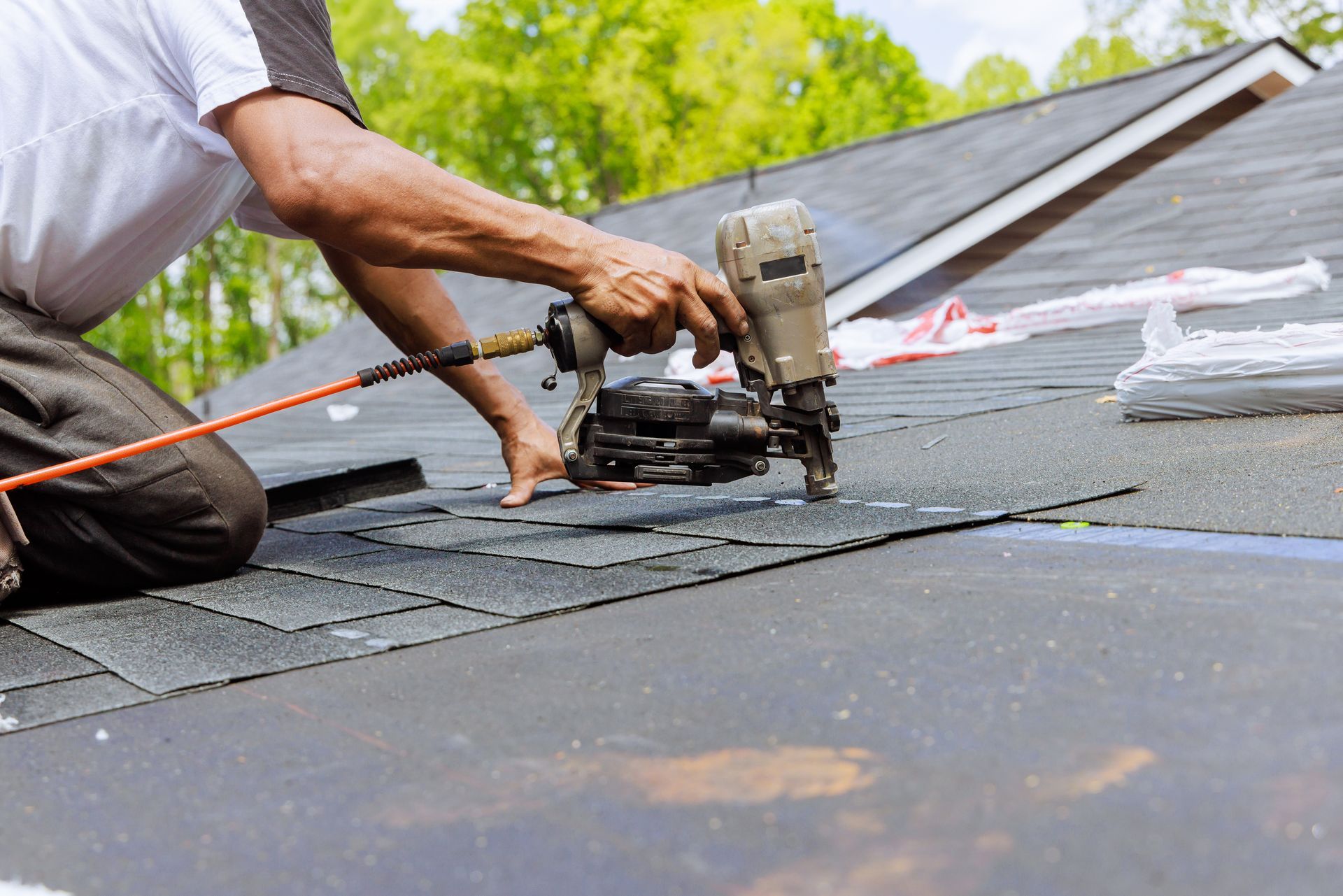
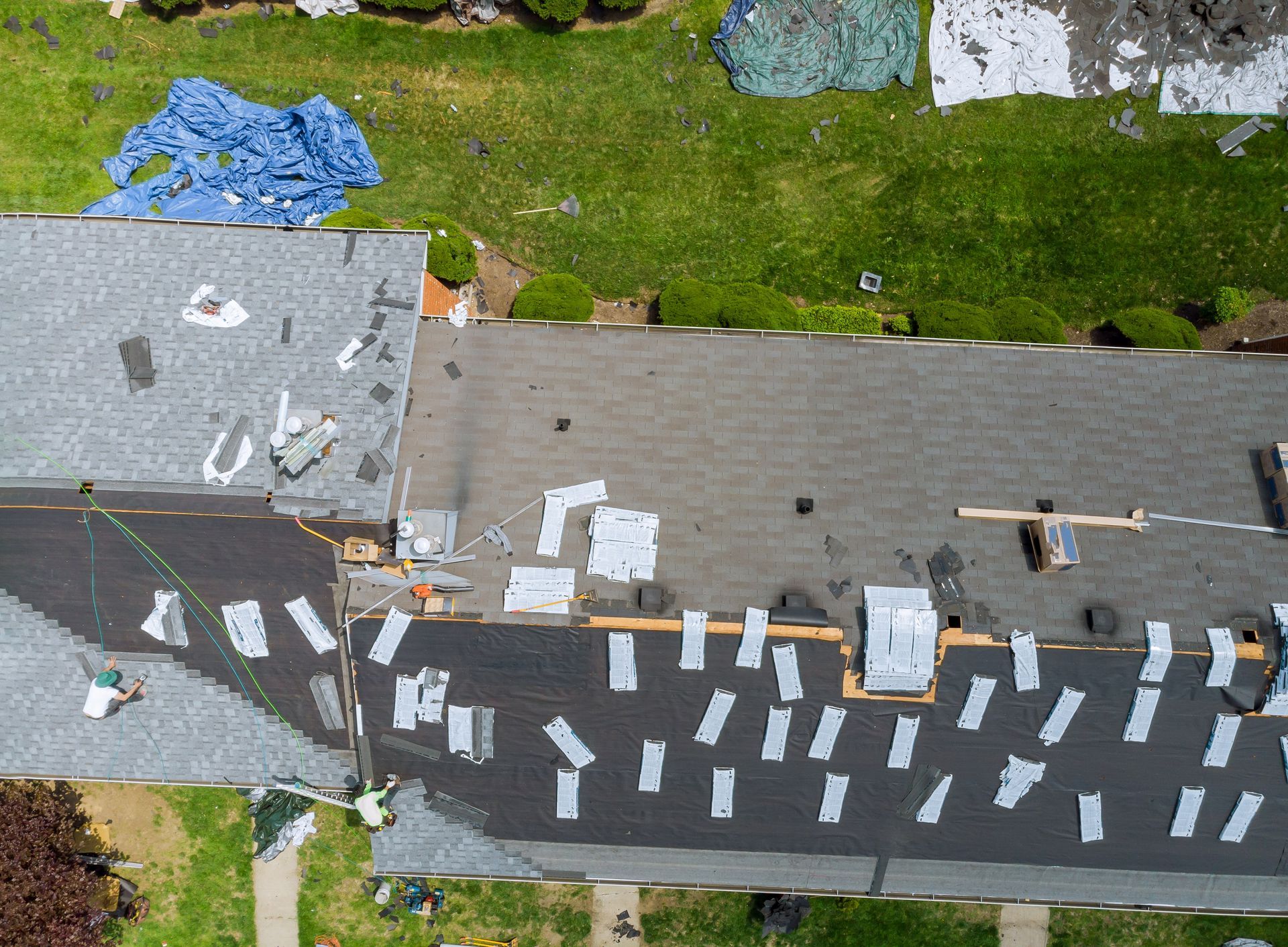
A repair is the right call when the problem has a clear, single cause and the rest of the roof still has years left. Most of the repairs we do in Boynton Beach, Delray Beach, and Lake Worth Beach fall into a short list of failure points that show up again and again on South Florida homes.
Repairs That Hold Up in South Florida
These problems usually fix cleanly and do not mean the roof is failing:
- Pipe boots and plumbing vents. The rubber collars around vent pipes crack in our sun long before the shingles wear out.
- Flashing at walls, chimneys, and skylights. Metal flashing that has lifted or rusted can be replaced without touching the rest of the roof.
- A few missing or lifted shingles after a storm, as long as the surrounding shingles are still flexible and sealed.
- Cracked or slipped tiles. Individual broken tiles can be swapped when the underlayment below them is still in good shape.
- Cracked hip and ridge mortar on tile roofs, which breaks down with heat cycles and can be repointed or reattached.
- Ponding or small blisters on a flat Florida-room roof. A localized repair and drainage fix can buy real time on a low-slope section.
Repairs That Only Buy Time
Some repairs are worth doing even though they will not last, because they stop damage while you plan, like a temporary fix on a 20-year-old shingle roof before hurricane season. If a roofer cannot tell you how long a repair should last, ask before you sign.
When Replacement Is the Smarter Move
Replacement makes sense when the roof itself, not one component, is wearing out. In our climate, that happens sooner than most homeowners expect. As we explain in our guide to how long a roof lasts in Florida, architectural shingles often reach only 20 to 25 years here, and tile underlayment can fail well before the tile does.
These signs usually point toward replacement:
- Leaks in more than one area, especially when they appear after each heavy rain rather than only after a named storm.
- Shingles that crack when handled. On older roofs, brittle shingles break as we try to lift them for a repair, which creates new damage around the old.
- Soft or spongy decking. If the plywood gives underfoot, water has been getting in for a while.
- Damage across a large share of a roof section, which can bring Florida's 25% rule into play.
- An insurer non-renewal or inspection request tied to roof age.
One pattern we see often: a homeowner patches the same leak two or three times, and when the roof finally comes off, the deck around that spot is rotted wider than anyone expected. Recurring leaks rarely stay in one place.
Repair vs. Replacement at a Glance
The table below sums up how the decision usually breaks down. Your roof may not fit neatly in one column, which is why an inspection matters.
| Factor | Repair Usually Wins | Replacement Usually Wins |
|---|---|---|
| Roof age | Under about 12 to 15 years | Near or past its Florida lifespan |
| Damage area | One spot or one component | Several areas or most of a section |
| Leak history | First leak, clear cause | Recurring leaks in new places |
| Decking | Solid under the damaged area | Soft, stained, or rotted in places |
| Insurance | Roof under 15 years, no carrier issues | Carrier requesting inspection or replacement |
| Material match | Matching shingles or tile available | Product discontinued or badly faded |
The Middle Option for Tile Roofs
Most cost guides treat this as a simple choice between two options. On South Florida tile roofs, it often is not. Concrete and clay tile common in Boca Raton, Wellington, and Coral Springs can last for decades, but the underlayment beneath it usually wears out much sooner.
What a Tile Lift and Re-Lay Involves
In a lift and re-lay, the crew removes and stacks the existing tile, replaces the underlayment and any damaged decking, then reinstalls the original tile with new fasteners or adhesive. You keep the look of the roof and get a new waterproofing layer, the part that actually keeps water out.
When It Works and When It Does Not
This option works when most of the tile is intact and the profile is still usable. It works poorly when many tiles are cracked, when the tile profile is discontinued and there are not enough spares, or when the tile has become brittle and breaks during removal. We typically expect some breakage, so it helps to know early whether matching tile is still available. If your HOA has an approved tile and color list, check that before any work begins.
Florida's 25% Rule After 2022
Many homeowners and even some contractors still describe the 25% rule the way it worked before 2022. The current version is more forgiving for newer roofs.
What the Rule Says
The Florida Building Code has long limited how much of a roof can be repaired within a 12-month period. If more than 25 percent of a roof or roof section is repaired, replaced, or recovered in that window, the entire roof or section traditionally had to be brought up to current code.
The 2007 Code Exception
In 2022, the Legislature changed this with Senate Bill 4-D. If the existing roof or roof section was built, repaired, or replaced in compliance with the 2007 Florida Building Code or later, only the repaired portion has to meet current code, and local governments cannot adopt amendments that override this exception. Because the 2007 edition took effect on March 1, 2009, your roof's permit date is what matters. A roof permitted after that date may qualify for a large repair without a full replacement. An older roof may not.
Why Roof Sections Matter
The 25% figure applies to a roof section, not always the whole house. A flat roof over a rear Florida room and the main shingle roof are often treated as separate sections. That means heavy damage on the flat addition does not automatically force a new main roof, and the reverse is also true. We pull permit history during inspections for exactly this reason.
How Roof Age Affects Your Insurance
In Florida, the repair or replace decision often starts with a letter from an insurance carrier rather than a leak.
Roofs Under 15 Years
Under Florida Statute 627.7011, an insurer may not refuse to issue or renew a homeowners policy on a roof less than 15 years old solely because of the roof's age. Condition still matters, so an insurer can act on active leaks or visible damage.
Roofs 15 Years and Older
For older roofs, the insurer must let you have the roof inspected by an authorized inspector, at your expense, before requiring replacement. If that inspection shows five years or more of useful life remaining, the insurer may not refuse coverage solely because of age. Authorized inspectors include licensed home inspectors, building code inspectors, licensed general, building, or residential contractors, engineers, and architects.
This is where a well-documented repair can save a roof. Fixing the weak spots on a sound 16-year-old tile roof and documenting its condition may keep it insurable for years. On a worn 18-year-old shingle roof, though, spending on repairs may simply delay a replacement your carrier will require at the next renewal.
The Premium Side of the Decision
A new roof built to current code usually improves roof deck attachment and secondary water resistance on a wind mitigation inspection, which can lower your windstorm premium. Get an updated wind mitigation inspection after any replacement.
Storm Damage and the Matching Rule
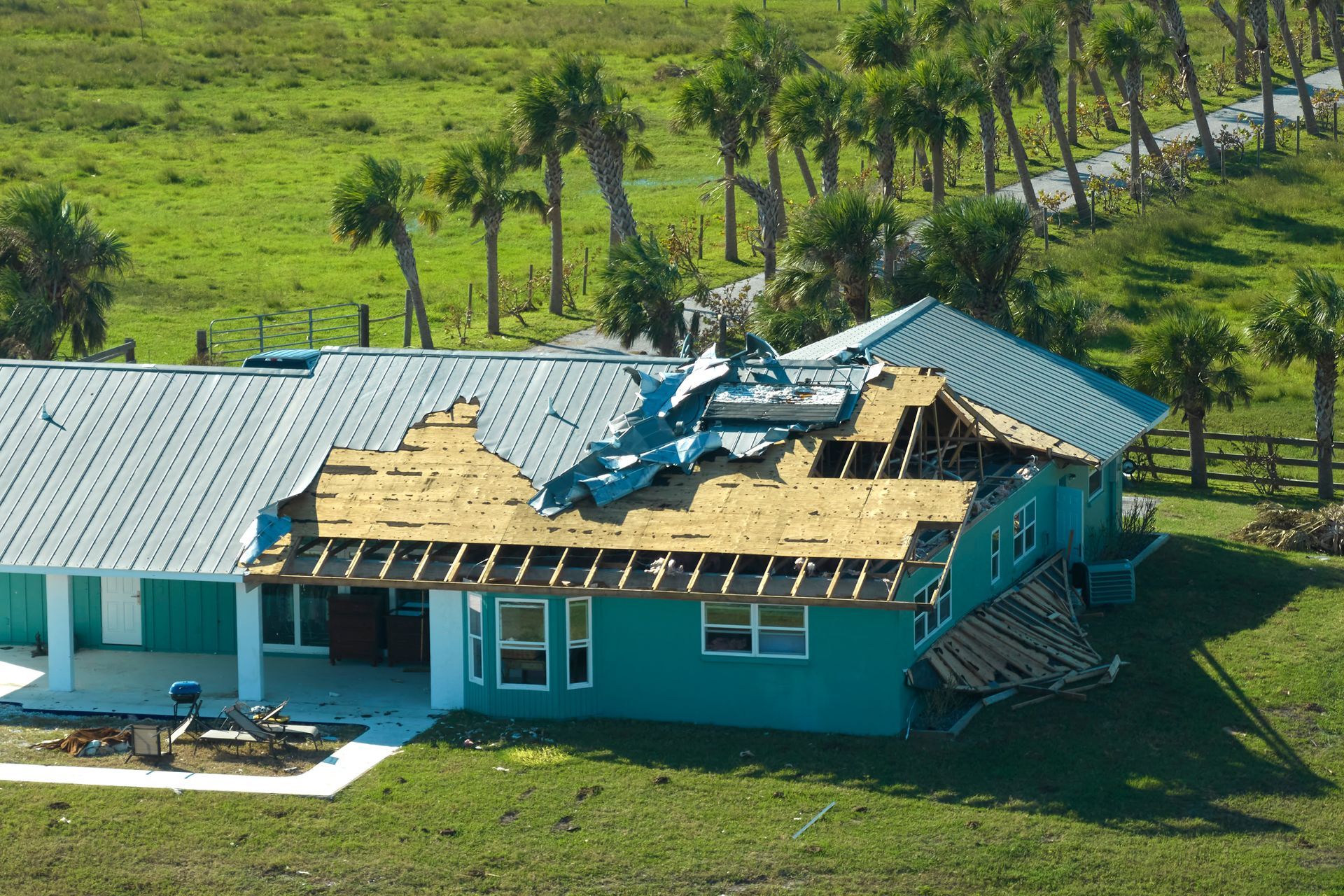
After a storm, the question is often not whether a repair is possible but whether it will look right and whether your policy covers more. If you are still assessing damage, start with our storm damage roof inspection guide.
When a Patch Will Not Match
Florida's matching statute, Section 626.9744, says that when replaced items do not match in quality, color, or size, the insurer must make reasonable repairs or replacement of items in adjoining areas, unless the policy provides otherwise. The insurer may consider the cost, the degree of uniformity that can be achieved, and the remaining useful life of the undamaged portion.
This matters most with discontinued shingle colors and tile profiles. A patch of bright new shingles on a sun-faded roof can hurt resale value and conflict with HOA rules, so document the mismatch with photos.
Protect Your Claim
Take dated photos of the damage and any interior stains, keep receipts for tarping, and get an inspection before an adjuster's visit if you can. If water reached the interior, our
Florida Restore restoration team can dry out and repair the damage inside while the roof is being addressed.
Is a Repair Worth the Money?
Many roofers use a simple rule of thumb: repair is usually the better investment when it costs less than about 30 percent of a full replacement. It is a useful starting point, but in South Florida it needs three more questions:
- How many years will this repair realistically add?
- Will my carrier require replacement at the next renewal anyway?
- Would a new roof lower my windstorm premium enough to offset part of the cost?
A $2,500 repair that keeps a 10-year-old tile roof sound for another decade is excellent value. The same $2,500 on an 18-year-old shingle roof that your insurer is already questioning is often money spent twice. For a full breakdown of what a new roof costs here, see our guide to
roof replacement cost in Florida.
What a Good Inspection Should Tell You
A roofer who recommends replacement after five minutes on a ladder has not done enough work to know. Before we recommend either path, a thorough inspection should cover:
- The attic, where daylight, stains, and damp insulation show leaks you cannot see from outside.
- Deck condition, checked by walking the roof for soft spots and inspecting from below.
- Underlayment, especially on tile roofs, where it can fail while the tile looks fine.
- Flashing, valleys, and penetrations, the most common leak points on any roof.
- Permit history, which determines how the 25% rule applies.
- Remaining useful life, stated in writing, which matters for insurance on roofs 15 years and older.
You should leave the inspection with photos, a clear recommendation, and the reasoning behind it.
Get a Clear Answer From Florida Construction
If you are unsure whether your roof needs a repair or a replacement, an inspection from our roofing team will give you a straight recommendation based on the roof's actual condition, not a sales pitch. If a repair will hold, we will tell you. If replacement is the better investment, we will show you why, and financing is available for qualified homeowners. You can also browse finished work in our project gallery or read what neighbors say in our reviews.
Call Florida Construction at (561) 264-5286 or
contact us to schedule a roof inspection anywhere in Palm Beach and Broward Counties.
Frequently Asked Questions
Is it cheaper to repair or replace a roof in Florida?
A repair is almost always cheaper up front. Replacement becomes the better value when repairs keep recurring, the roof is near the end of its Florida lifespan, or your insurer is likely to require a new roof at renewal.
Does Florida's 25% rule mean I need a new roof?
Not always. Since 2022, if your roof was built or replaced under the 2007 Florida Building Code or later, generally meaning permitted after March 1, 2009, only the repaired portion has to meet current code. Older roofs may still trigger a full replacement of the roof or section.
Can my insurance company make me replace my roof?
An insurer cannot refuse to issue or renew your policy solely because your roof is under 15 years old. For roofs 15 years or older, you have the right to an inspection by an authorized inspector first. If that inspection shows at least five years of useful life remaining, the insurer cannot deny coverage based on age alone.
Can a tile roof be repaired instead of replaced?
Yes. Broken tiles and cracked ridge mortar can often be repaired. If the underlayment has worn out but most of the tile is intact, a lift and re-lay keeps your existing tile while replacing the waterproof layer beneath it.
How long does a roof repair last?
A repair to a specific component, like a pipe boot or flashing, can last many years on a roof that is otherwise sound. Repairs on an aging roof last a shorter time because the materials around the fix keep wearing out.
Recent Posts