
Florida Construction
How Long Does a Roof Last in Florida? Lifespans by Roofing Material

In Florida, an asphalt shingle roof typically lasts around 15 to 20 years, concrete and clay tile roofs can last 40 to 50 years or more, and metal roofs often reach 40 to 70 years. Flat roofing systems like TPO and modified bitumen generally last around 15 to 25 years. Those numbers run shorter than the national averages for the same materials, because Florida's intense sun, heat, humidity, and storms are harder on a roof than almost any other climate.
At Florida Construction, we are a licensed and insured South Florida general contractor, and roofing is one of our core services. We install, inspect, and replace every major roofing material across South Florida, so we see firsthand how our climate affects each one. This guide breaks down realistic lifespans by material and what you can do to reach the high end of the range.
In This Guide
- How Long a Roof Lasts in Florida: The short answer.
- Roof Lifespan by Material: Lifespans for each type.
- Why Florida Roofs Age Faster: The climate factors at work.
- Why Attic Ventilation Is the Factor You Control: The most controllable factor.
- Signs Your Roof Is Nearing the End: What to watch for.
- How to Extend Your Roof's Life: Getting the most years out of it.
- Does Lifespan Change by Region?: Coastal vs. inland.
- Repair or Replace an Aging Roof?: How to decide.
- Roof Age, Insurance, and Florida's Rules: What Florida homeowners must know.
- Frequently Asked Questions: Quick answers for homeowners.
How Long a Roof Lasts in Florida
A roof's lifespan depends first on its material and second on the climate it lives in, and Florida is one of the toughest climates in the country for a roof. The same shingle that might last 25 years in a mild northern state often gives you closer to 15 to 20 here, because our sun and storms simply wear materials out faster. A useful rule of thumb is to subtract roughly 30 to 40 percent from any national average lifespan to get a realistic Florida number. Our summer rooftop surface temperatures can push past 150 degrees, which bakes shingles and sealants day after day with no winter break to recover.
That does not mean Florida roofs are short-lived across the board. Tile and metal roofs, which handle heat and sun far better, can last for decades and are popular here for exactly that reason. The key is to match your expectations to your material and to understand that maintenance makes a real difference in where your roof lands within its range. Two identical roofs on the same street can age very differently depending on how well each is maintained, how much direct sun and coastal exposure each gets, and how quickly small problems are addressed after each storm season.
Roof Lifespan by Material
Each roofing material ages differently in the Florida climate. The table below gives realistic ranges for our conditions, which run shorter than national figures, followed by the details for each type.
| Roofing Material | Typical Florida Lifespan | Notes |
|---|---|---|
| Asphalt shingles (3-tab) | Around 15 to 20 years | Most affordable; sun shortens its life here |
| Architectural shingles | Around 20 to 25 years | More durable and wind-resistant than 3-tab |
| Metal roofing | Around 40 to 70 years | Excellent in heat and storms; higher upfront cost |
| Concrete or clay tile | Around 40 to 50-plus years | Very long-lasting; heavy and premium-priced |
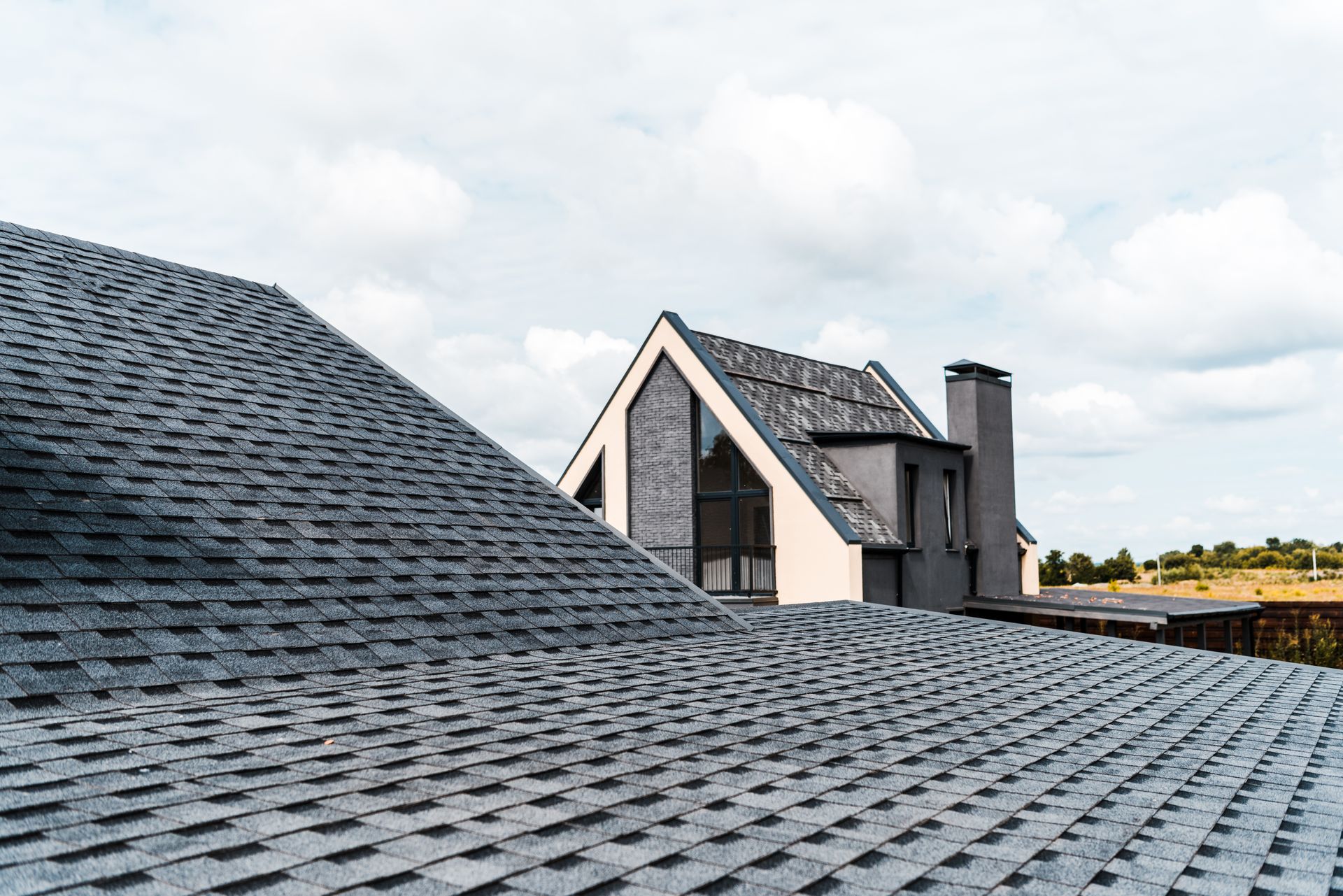
Asphalt shingles are the most common and affordable choice, but Florida's UV and heat are hard on them, so they tend to reach the lower end of their national range.
Architectural shingles are a thicker, more durable upgrade that stands up better to wind and lasts a few years longer.
Metal roofing excels in our climate, shedding heat and resisting storms, and can last several decades.
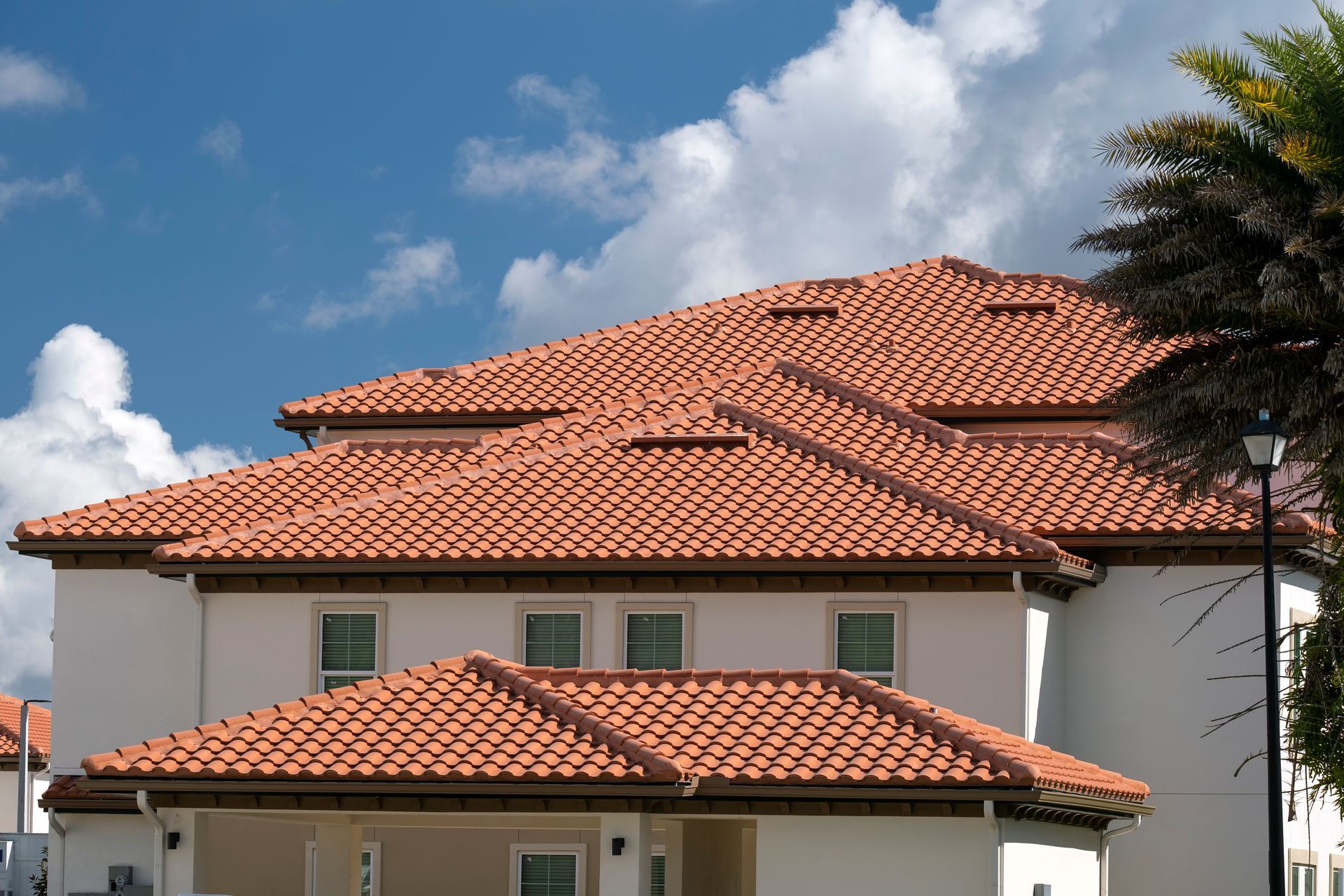
Tile, whether concrete or clay, is the longest-lasting option and a Florida staple, easily lasting 40 years or more. There is one crucial detail with tile that catches many homeowners off guard, though: the tile itself lasts for decades, but the underlayment beneath it, the waterproof layer that actually keeps water out, typically fails much sooner, often in about 15 to 25 years in our heat and humidity. That means a tile roof can look perfectly fine from the street while the underlayment underneath has already worn out and started letting water in. Regular inspections are what catch this before it becomes a leak, since you cannot see the underlayment from the ground.
Flat roofing systems such as TPO and modified bitumen, common on low-slope sections, generally last around 15 to 25 years, and proper drainage matters enormously because ponding water shortens their life.
Why Florida Roofs Age Faster
Understanding why Florida is so hard on roofs helps you protect yours. It is not one factor but a combination of them working on the roof every day of the year.
- Intense sun and UV, which break down roofing materials, especially asphalt shingles, faster than in cooler climates.
- Heat, which bakes the roof daily and accelerates the aging of shingles and sealants.
- Humidity and rain, which encourage algae, mold, and moisture damage on the roof surface.
- Storms and high winds, from summer thunderstorms to hurricanes, which stress and damage roofing every season.
- Salt air near the coast, which corrodes metal components and shortens the life of exposed materials.
These forces work together year round. A roof here does not get the winter break that roofs in colder climates do, so it is under near-constant stress, which is exactly why Florida lifespans run shorter and why regular attention matters so much. The tile and metal roofs that dominate in Florida earn their popularity precisely because they shrug off the heat and sun that wear asphalt down, which is worth keeping in mind if you are ever choosing a new roof and want the longest service life our climate allows.
Why Attic Ventilation Is the Factor You Control
Of everything that affects how long a Florida roof lasts, attic ventilation is the single most controllable, and it is also the one homeowners hear about least. Proper ventilation lets the hot, humid air that builds up under the roof escape, keeping the roof deck and the underside of the shingles cooler and drier.
When ventilation is poor, that heat and moisture get trapped. Shingle surfaces that already run hot in the Florida sun climb even higher, which cooks the asphalt, dries out the sealants, and ages the roof faster from below as well as above. Inadequate ventilation can cut a shingle roof's usable life by several years, and just as importantly, most manufacturers require adequate ventilation for their warranty to stay valid, so a poorly vented roof can lose both years of life and its warranty coverage at the same time. If you are choosing a new roof or trying to get the most out of your current one, making sure the attic is properly vented is one of the highest-value steps you can take.
Signs Your Roof Is Nearing the End
Knowing your material's typical lifespan is a starting point, but the roof itself will tell you when it is wearing out. Watch for these signs, especially as your roof approaches the end of its expected range.
- Curling, cracking, or missing shingles, or cracked and slipping tiles.
- Bald spots and granule loss, often visible as granules collecting in the gutters.
- Frequent or recurring leaks, especially in more than one area.
- Sagging areas or visible daylight in the attic, which point to deeper problems.
- Widespread algae, moss, or moisture staining across the roof surface.
One of these might call for a repair, but several together, particularly on an older roof, usually mean replacement is on the horizon. A professional inspection can tell you how much life your roof has left and whether repair or replacement is the smarter move. If you have recently been through a storm, our guide on a
storm damage roof inspection covers what to check. It is worth acting on these signs sooner rather than later, since a worn roof only becomes more vulnerable with each passing storm season.
How to Extend Your Roof's Life
You cannot change the Florida climate, but you can absolutely help your roof reach the high end of its lifespan. A little routine care goes a long way against our sun and storms.
- Schedule regular inspections, ideally once or twice a year and after major storms, to catch small problems early.
- Keep gutters clean so water drains properly instead of backing up under the roof edge.
- Address minor repairs promptly, before a small issue lets water into the deck and structure.
- Keep the roof clear of debris and overhanging branches that trap moisture and cause wear.
- Have algae and staining treated rather than left to spread across the surface.
The theme is simple: small, consistent maintenance protects the large investment your roof represents. Staying ahead of wear is what lets a Florida roof reach the top of its range instead of the bottom. The most valuable habit of all is the regular inspection, because a professional can spot and fix a minor issue in an afternoon that would otherwise become a major, expensive problem after the next storm season.
Does Roof Lifespan Change by Region of Florida?
Where you live in Florida affects how long your roof lasts. Homes right on the coast face salt air that corrodes metal fasteners and components and accelerates wear on exposed materials, so coastal roofs often age faster than identical roofs a few miles inland. High Velocity Hurricane Zone areas in South Florida also face the strongest wind exposure, which is one reason building codes there are so demanding.
Inland homes escape the salt air but still deal with the full force of Florida sun, heat, and summer storms. The practical takeaway is that a homeowner near the coast should lean toward materials and components that resist corrosion and plan for slightly more frequent inspection, while every Florida homeowner benefits from choosing a material suited to our heat and storms in the first place.
Repair or Replace an Aging Florida Roof?
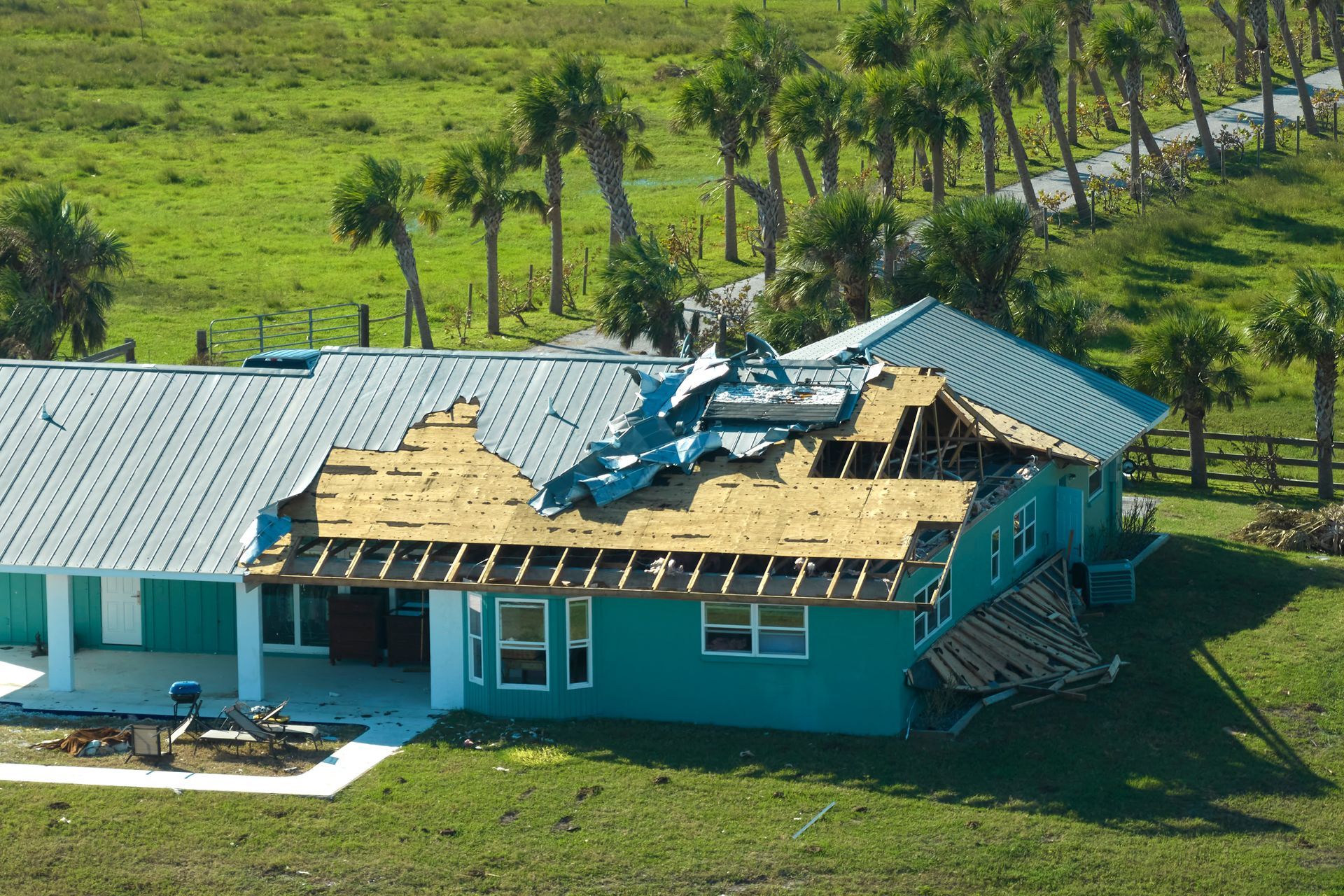
As a roof approaches the end of its lifespan, the question becomes whether to keep repairing it or replace it. A roof with an isolated problem and years of life left is usually a repair, while a roof near the end of its expected range with widespread wear, recurring leaks, or storm damage is often better replaced.
The math tends to favor replacement once repairs start recurring, because money spent patching a failing roof is money that does not go toward a new one. Age, the extent of the damage, and how many times you have already repaired the same roof all factor in. A professional inspection is the most reliable way to weigh the two for your specific roof, since it reveals the condition of the underlayment and deck that you cannot judge from the surface.
Roof Age, Insurance, and Florida's Rules
In Florida, your roof's age affects more than just when it will leak, it affects your insurance and your repair options, and these are factors homeowners in other states rarely deal with. Understanding them helps you plan before the decision is forced on you.
Many Florida insurers now treat a roof of about 15 years or older as aging, and some restrict coverage, apply depreciation, or decline to insure a home until the roof is replaced. That makes roof age a real financial consideration well before the roof actually fails. Florida also has a rule, often called the 25 percent rule, that limits how much of a roof can be repaired or recovered within a 12-month period before the whole roof section has to be brought up to current code, which can turn what looked like a simple repair into a larger project. Finally, the most strategically valuable inspection you can schedule is one before June 1, when hurricane season begins, so you know exactly what your roof can handle before the storms arrive. A professional inspection answers all three questions at once: how much life is left, whether you are within the repair rules, and whether your roof is in shape for insurance and storm season.
Know Your Roof's Lifespan With Florida Construction
Whether you want to know how much life your current roof has left or you are planning ahead for a replacement, an assessment from an experienced South Florida roofer gives you a clear answer. Our team inspects your roof, explains its condition, and helps you plan the right next step for your home and budget.
Call Florida Construction at (561) 264-5286
or
contact us to schedule a roof inspection anywhere in South Florida. And if a storm has recently passed through, start with our guide on a
storm damage roof inspection.
Frequently Asked Questions
How long does a shingle roof last in Florida?
An asphalt shingle roof typically lasts around 15 to 20 years in Florida, with more durable architectural shingles reaching about 20 to 25 years. That is shorter than the national average for shingles because Florida's intense sun, heat, and storms wear them out faster. Regular maintenance and prompt repairs help a shingle roof reach the higher end of that range.
What is the longest-lasting roof in Florida?
Tile and metal are the longest-lasting roofing materials in Florida. Concrete and clay tile roofs can last 40 to 50 years or more, and metal roofs often reach 40 to 70 years, both because they handle heat, sun, and storms far better than asphalt shingles. They cost more up front, but their long lifespan can make them a strong value over time.
Why do roofs wear out faster in Florida?
Florida's climate is unusually hard on roofs. Intense UV and heat break down materials, humidity and rain encourage algae and moisture damage, frequent storms and high winds cause wear and damage, and coastal salt air corrodes metal components. Because there is no cold-season break, the roof is under near-constant stress, which is why Florida lifespans run shorter than national averages.
How do I know when I need a new roof?
Watch for widespread curling, cracking, or missing shingles, significant granule loss, recurring leaks, sagging, or visible daylight in the attic. A single issue may only need a repair, but several signs together, especially on a roof near the end of its expected lifespan, usually point to replacement. A professional inspection gives you a clear answer on repair versus replacement.
Can I make my roof last longer in Florida?
Yes. Regular inspections, keeping gutters clean, promptly fixing minor damage, clearing debris and overhanging branches, and treating algae all help a roof reach the high end of its lifespan. You cannot change the climate, but consistent maintenance protects the roof from the wear that otherwise cuts a Florida roof's life short.
Recent Posts